AI/ML News
Attribute Joins DoiT. Here’s What That Means for You.
Published date: 09/07/2026

DoiT manages more than $20 billion in cloud spend across 4,500 customers in 27 countries. They built Cloud Intelligence to give engineering and finance teams a complete picture of what they’re spending on cloud. What they didn’t have was a way to answer the next question: whose workloads drove that spend?
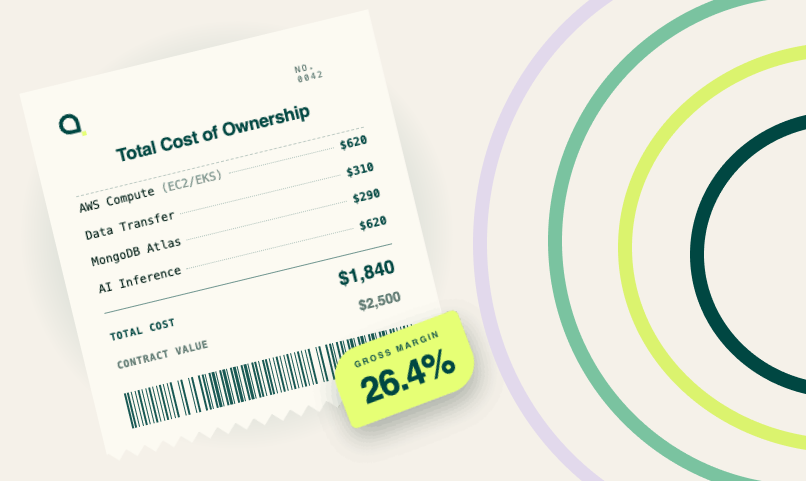
You can see your AI bill. You can even somewhat explain it. But you can’t attribute that spend to your customers, teams, or users. As a result, you can’t say if you’re pricing your products with healthy margins.
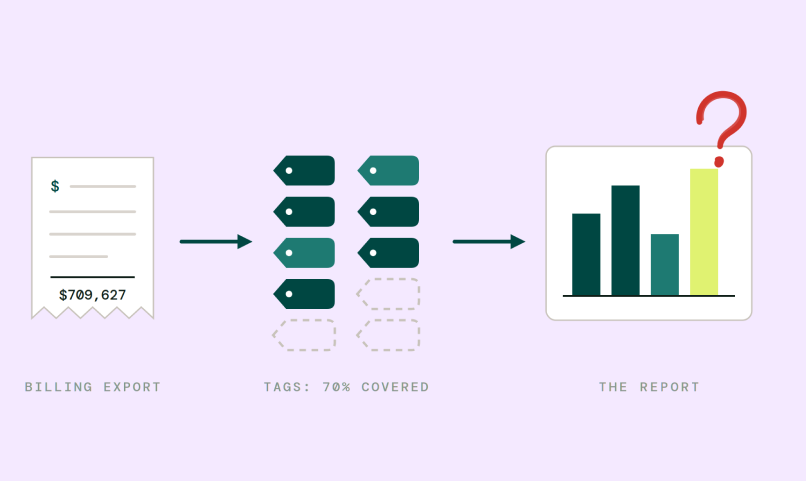
That gap exists because the industry’s answer to attribution has always been instrumentation: tag your resources, wrap your API calls in an SDK, enforce naming standards. For traditional cloud, that approach gets you to “good enough.” For AI infrastructure, it fails by design.
A single managed model serves multiple customers simultaneously. A shared GPU cluster runs models for multiple products at once. An LLM gateway aggregates requests from agents, harnesses, and humans into a single outbound stream. There’s no SDK you can wrap around a shared GPU. There’s no tag that survives the hop through an LLM proxy.
Vadim Solovey, CEO of DoiT, put it plainly in the acquisition announcement:
“The attribution gap in AI spend isn’t a process problem you can instrument your way out of. It’s an architectural reality of how AI infrastructure works.”
Attribute was built to solve exactly that. The eBPF sensor reads what’s actually running, at the OS level, with no code changes and no tagging policy. It maps every token, model request, GPU cycle, and database call back to the customer, feature, or agent that drove it. Install time is about 15 minutes. Attribution is live the same day.
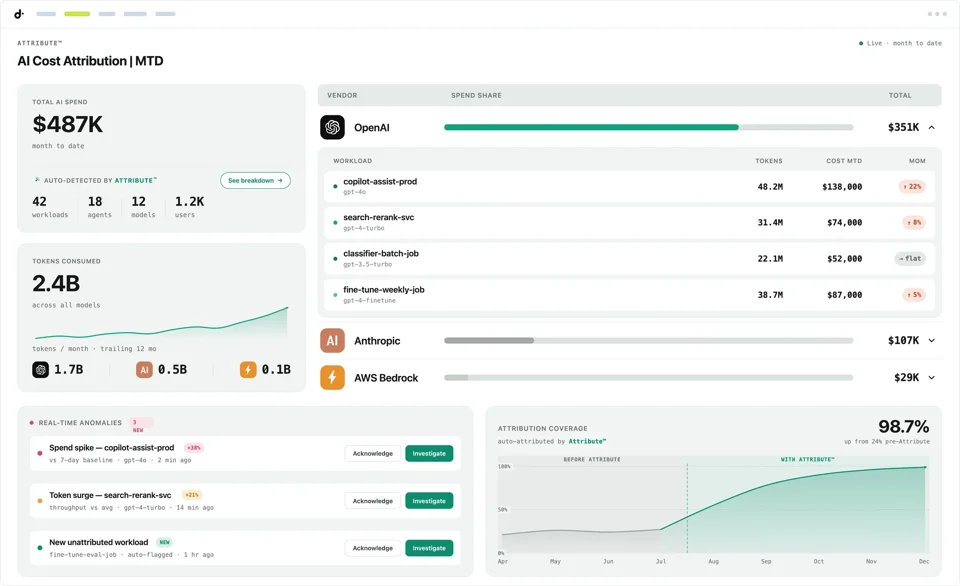
DoiT brings distribution, data, and domain depth. Their Cloud Intelligence platform already gives customers commitment management, Kubernetes cost allocation, and FinOps automation across AWS, Google Cloud, and Azure. Attribute adds the attribution layer that was missing: not just what you’re spending, but who caused it and whether it’s worth it.
For teams evaluating Attribute for the first time, this is a signal worth noting. DoiT’s research found that 79% of enterprises have already experienced AI cost overruns, and only 15% of finance leaders say they can calculate AI ROI without significant bottlenecks. The window to build the right measurement foundation is now, not after the next surprise bill. This capability by Attribute was brought to DoiT because our runtime approach is the only architecture that produces complete attribution across modern, shared, AI-heavy infrastructure.
For customers already on Attribute, the product roadmap accelerates. DoiT’s engineering resources, customer base, and cloud partnership depth all point in the same direction: more providers covered, faster, with the runtime attribution approach that no tagging-dependent tool can match.
Book a demo to see what this looks like in your own environment.